RV Life & Travel
RV Winterization: Does Your Four-Season Camper Van Need It?
Does a four-season camper van need winterization? Learn when to prepare, what de-winterization means, and watch our NOVA, BEYOND and Truma videos.
By Lola Strange ·
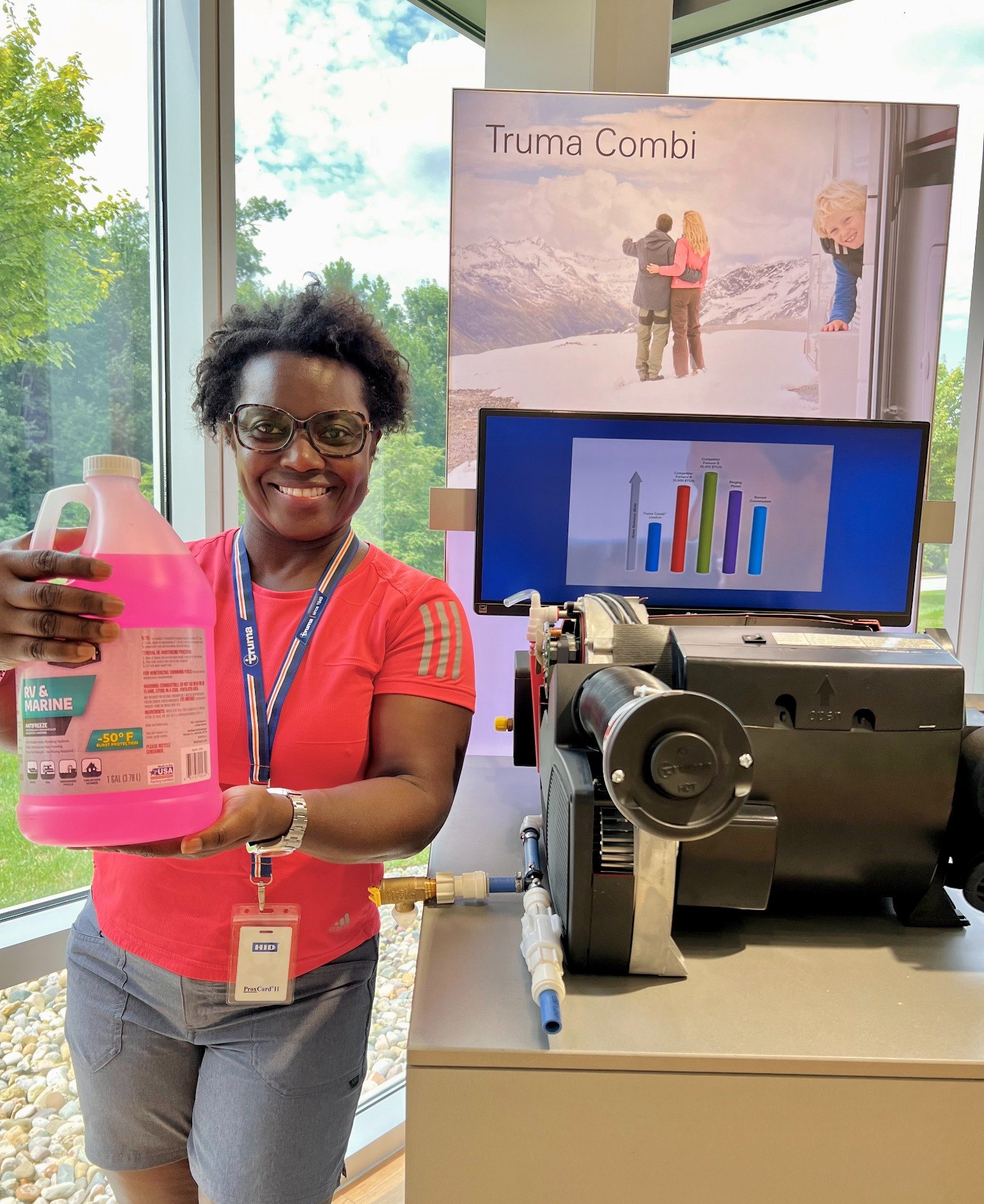
Yes—a four-season camper van still needs winterization when freezing conditions threaten its water system. Cold-weather features can help while you're camping, but their protection depends on the equipment, available heat and power, and how the van is being used. Parking it with everything switched off is a different situation.
Winterization and de-winterization can be straightforward if you know what you're doing. And knowing what you're doing sometimes means watching the instructions again. We even review our own videos when we need a refresher!
We travel throughout the year and often head toward warmer weather, so we don't winterize every season. But our travel schedule doesn't decide whether it's necessary—the conditions our van will encounter do.
To help owners prepare, we collaborated with Coachmen's Class B division and Truma North America on the videos collected here.
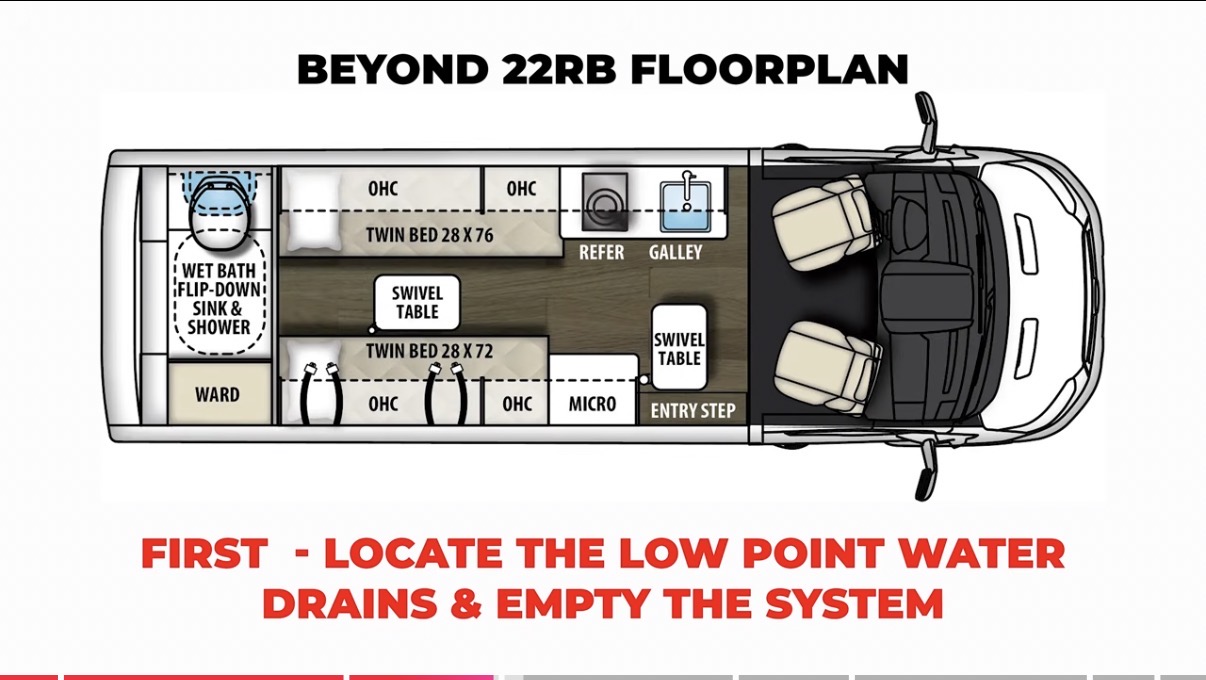
Watch our Coachmen BEYOND winterization video:
What is RV winterization?
RV winterization prepares your coach for freezing conditions. Protecting the water system is a major part of that work because water left in vulnerable components can freeze, expand and damage them.
That includes more than the freshwater tank. Water can remain in lines, fittings, pumps, faucets, showers and water-heating equipment.
Depending on the coach, its approved procedure may involve draining components, adding RV antifreeze to designated parts of the plumbing, or a combination of methods. Appliances may require separate steps.
Preparing an RV for storage also involves batteries, tires, food removal and other tasks. Here, we're concentrating on the water system and the videos that help explain it.
Does a four-season RV need winterization?
Yes. The useful question is: What keeps this particular van's plumbing protected when temperatures drop?
Your coach might have insulated plumbing areas, heated tanks or furnace heat reaching certain components. Find out what those features protect and what they need to operate:
- Does plumbing protection require the furnace to remain on?
- Which tanks and water lines receive heat?
- What power source do the tank heaters use?
- What happens if heat or power is interrupted?
Call the manufacturer about your model year and floorplan
Call the manufacturer if you're unsure how the instructions apply to your van. Changes between model years—and differences between floorplans—can include new wiring, relocated equipment, and different access to valves or drain points, including the Truma drain.
A video is a helpful reference, but your coach may be arranged differently. Have your model year and floorplan ready when you call, and ask where to find the instructions for your specific equipment.
When should you winterize your camper van?
Prepare before freezing weather reaches water-filled components that aren't adequately protected.
There isn't one calendar date that works for everyone. Consider the overnight forecast, how long freezing conditions may last, where your plumbing is located, and whether dependable heat and power will be available.
Give yourself time to find the drains and bypass valves before you need them. It's much easier to learn the procedure on a comfortable afternoon than while rushing ahead of a cold front.
Travelers should check the whole route, too. Heading to Florida won't protect a van during a freezing overnight stop along the way.
Coachmen NOVA and BEYOND winterization videos
We wanted these videos to be resources you could return to when a seasonal maintenance task comes around again.
For NOVA owners, watch the full Coachmen NOVA video. As BEYOND owners ourselves, we also appreciate having our BEYOND video available when we haven't performed the task recently.
Use the video relevant to your equipment alongside the instructions for your own coach.
Truma Combi winterization: draining and bypassing
The Truma Combi video focuses on an appliance that needs particular attention.
Truma's guidance calls for completely draining the Combi water container when frost is a risk while the RV is unused. It advises against using antifreeze solutions or high-pressure air through the Combi. Follow the appliance instructions and the coach manufacturer's bypass procedure when preparing the rest of the plumbing.
See Truma's official Combi winterization guidance for its appliance-specific instructions.
What is RV de-winterization?
De-winterization brings the water system back into service.
The work depends on how your coach was winterized. It may include flushing RV antifreeze from the plumbing, returning valves and drain closures to their operating positions, reinstalling filters, sanitizing the freshwater system, and checking for leaks.
Flushing and sanitizing serve different purposes. Removing winterizing fluid doesn't automatically mean the system has been sanitized.
Before using water-heating mode, follow the appliance's filling procedure and confirm that its water container is full. Allow time for a careful check before your next trip, while you're still somewhere convenient to address a problem.
Frequently asked questions
Is draining the freshwater tank enough to winterize an RV?
No. Water may remain elsewhere in the plumbing and appliances. Draining the tank is only one possible part of the complete procedure for your coach.
Can I use automotive antifreeze in my RV plumbing?
No. Where your instructions call for antifreeze, use a product intended for RV potable-water-system winterization. Automotive engine coolant is not suitable, and some appliances must be bypassed rather than filled with RV antifreeze.
Can I travel with my camper van winterized?
Yes, you may be able to travel with the plumbing winterized and use a separate drinking-water arrangement. Adding water or using fixtures can undo portions of that protection. Understand what will need to be winterized again afterward.
Keep a reference for next season
You don't have to remember every step from one season to the next. Bookmark the relevant video, keep your manuals accessible, and make notes about your own van's valve locations and equipment.
Still choosing a camper van? Our free Camper Van Buyer's Guide helps you consider how you'll actually use it—including where you plan to travel and the weather you'll encounter.
For more ownership tips and stories from the road, join StrangerPalooza Weekly.
Sources & references
Topics
- RV life & travel